Replacement Window Types for Reno Homes
Most window replacement in Reno is like-for-like: the same openings, new units. The style you choose sets how the window opens, how well it seals against the afternoon Washoe Zephyr, and what it costs. National cost guides put a typical installed replacement window at $450 to $1,200, with an average around $800 (Fixr), but style moves that number more than anything except frame material.
Sliding and single- or double-hung windows
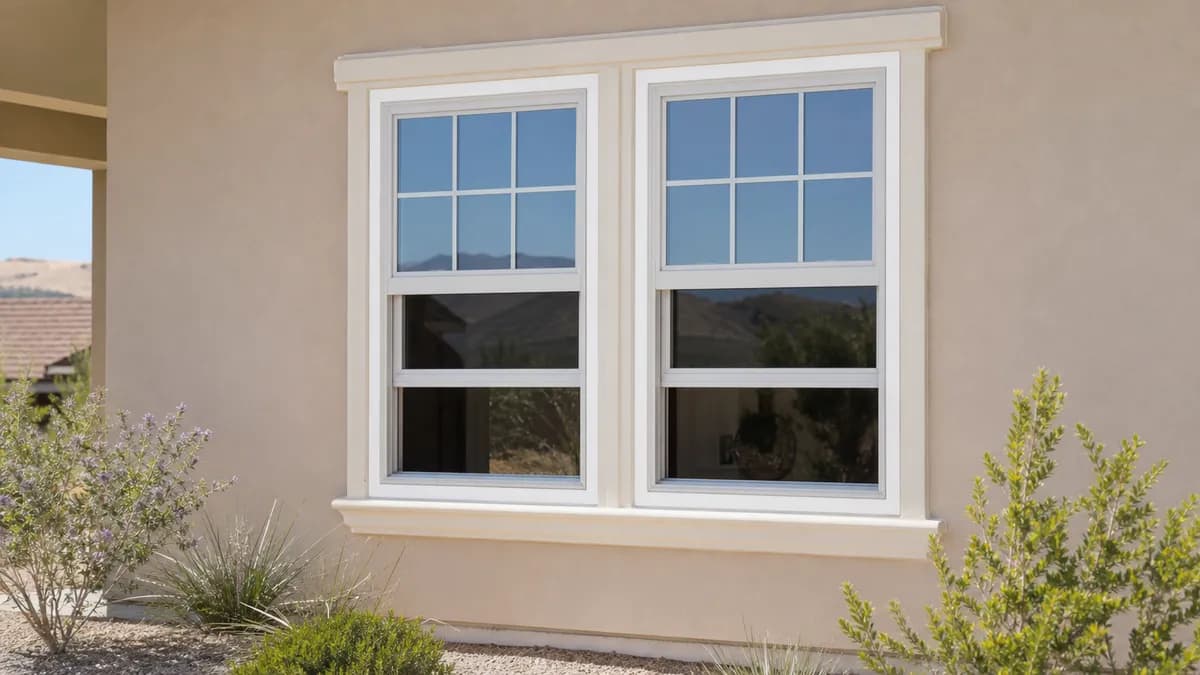
Horizontal sliders and hung windows are what most Reno tract and ranch homes already have. A single-hung window has one moving sash; a double-hung window has two, so both can tilt in for cleaning from inside, which matters on a second story. Fixr ranges: single-hung $250 to $700, double-hung $300 to $1,000, sliding $700 to $1,500 installed.
Casement and awning windows
Casements hinge on the side and crank open; awnings hinge at the top. Because the sash closes against the frame on all four sides, both seal tightly, which is useful in a windy, dusty climate. Fixr ranges: casement $400 to $1,200, awning $300 to $800.
Picture, bay, bow and egress windows
Fixed picture windows frame views of the Carson Range and Peavine and have no moving parts to leak. Bay and bow windows project out from the wall and cost the most: Fixr puts bay windows at $900 to $4,500 and bow windows at $1,500 to $8,000. Egress windows are a code item, not a style: a sleeping room needs an escape opening of at least 5.7 sq ft (5.0 at grade), at least 24 in high and 20 in wide, with a sill no higher than 44 in.
Frame Materials: Vinyl, Fiberglass, Wood and Aluminum
The frame decides price, lifespan and how much heat moves through the edge of the window. Average installed prices from This Old House's 2026 survey of 1,000 homeowners are close together; the bigger differences are in maintenance and service life.
| Frame | Installed per window (HomeAdvisor) | Survey average (This Old House) | Typical lifespan |
|---|---|---|---|
| Vinyl | $100–$900 | $472 | 20–40 years |
| Fiberglass | $500–$1,500 | $564 | 30–50+ years |
| Wood | $150–$1,300 | $544 | 15–30 years, longer if maintained |
| Aluminum | $75–$400 | $453 | 15–30 years |
| Composite | $300–$1,200 | $513 | Not established |
Vinyl replacement windows are the default in Reno-area stucco homes because they cost the least and never need paint. Fiberglass costs more but has the longest typical service life of the common frames. Wood suits mountain and Tahoe-style homes inside; most wood windows sold for this climate are clad outside. Old single-pane or early dual-pane aluminum frames, common in older Reno homes, conduct heat readily and are one of the most frequent reasons for replacement.
Glass Packages: Double Pane, Triple Pane, Low-E and Gas Fills
The glass is most of the window's area, so the glass package does most of the energy work. Every new window carries an NFRC label with two numbers worth reading: U-factor, how fast heat escapes (lower is better, typically 0.20 to 1.20), and SHGC, how much solar heat gets in (0 to 1).
Double vs. triple pane
Double pane is the standard replacement window. Triple pane adds a third layer of glass and is the most efficient option; in This Old House's survey it averaged $609 installed against $529 for double pane, about 15% more. In Reno, triple pane earns its cost mostly on north-facing and bedroom windows and where traffic noise matters.
Low-E coatings and argon or krypton
Low-E coatings are transparent metallic layers, thinner than a hair, applied to the glass to cut radiant heat transfer. Argon and krypton fills between the panes block more heat than air because they are denser. Gas leaks slowly: about 0.5% a year, so after 20 years a well-made unit still performs at about 90% of its original capacity (Efficient Windows Collaborative).
Energy Efficiency in Reno's High-Desert Climate
Reno sits at about 4,505 ft with only 7.35 in of precipitation a year (NCEI 1991–2020 normals). That dry, clear air is why the temperature swings so hard: July averages a 93.9°F high and a 60.4°F low, a 33.5°F swing every summer day. The airport averages about 122 days a year at or below freezing and about 65 days at or above 90°F. Windows here have to keep heat in on winter nights and keep afternoon sun out in summer.
| Benchmark | U-factor | SHGC | What it means |
|---|---|---|---|
| City of Reno replacement minimum (2024 IECC) | 0.30 or better | n/a | What a permitted replacement must meet at inspection |
| ENERGY STAR v7.0, Northern zone | ≤ 0.22 | ≥ 0.17 | Voluntary, tighter target for the zone that covers Reno |
| ENERGY STAR v7.0, Northern zone (trade-off) | 0.23–0.24 | ≥ 0.35 | Allowed when the glass admits more winter sun |
Reno falls in ENERGY STAR's Northern zone, so the label to look for is a U-factor of 0.22 or lower. On west and south walls that bake in the late-afternoon sun, ask the installer about a lower-SHGC coating for those elevations only. Wildfire smoke is another reason to want tight windows: a sealed, well-installed unit leaks less air (ENERGY STAR caps air leakage at 0.3 cfm/ft²).
Window Replacement Cost in Reno
No guide publishes Reno-specific window prices, so the ranges below are national. Local quotes depend on the number of openings, access (second story, slope), the frame and glass you choose, and whether stucco has to be cut back for a full-frame install.
| Project | National range | Source |
|---|---|---|
| One replacement window, installed | $450–$1,200 typical; $300–$3,000 full range | Fixr |
| Typical 7-window job | $7,183 average | This Old House 2026 survey |
| 10–15 windows, single story | $8,000–$12,000 | Fixr |
| 15–30 windows, two story | $12,000–$24,000 | Fixr |
| Basement egress window with excavation and well | $2,718–$5,878 (avg $4,216) | This Old House |
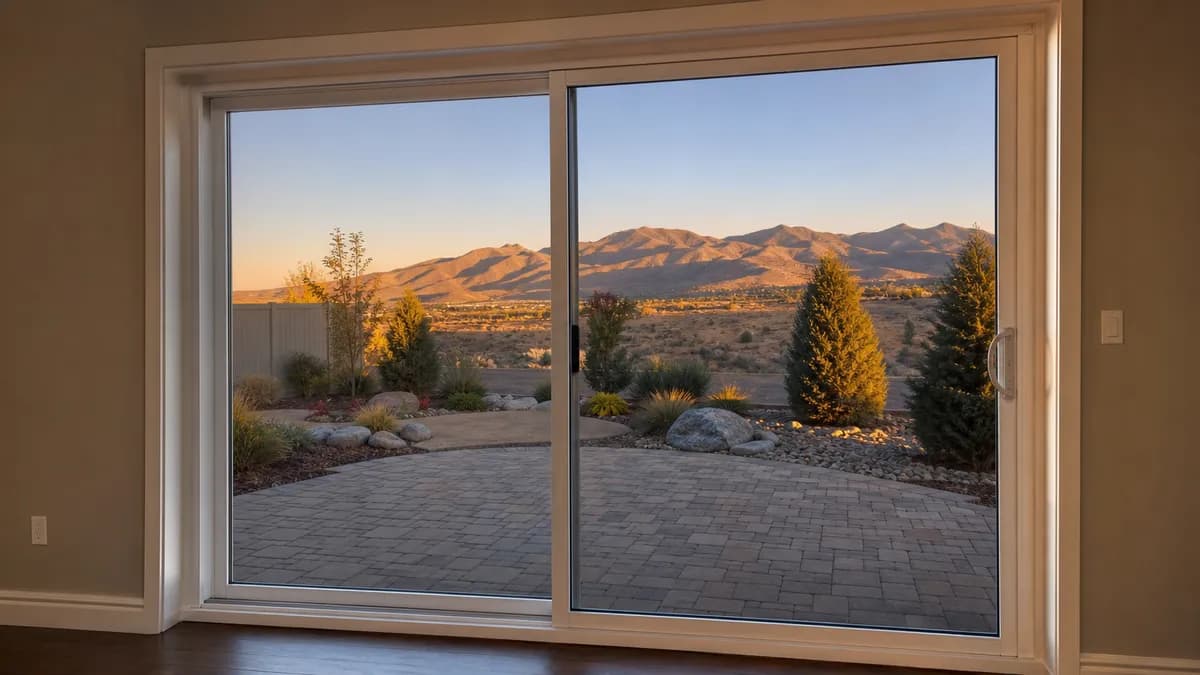
| Sliding patio door | $1,000–$3,000 | Bob Vila |
The federal 25C energy credit, which paid 30% of qualifying window costs up to $600 a year, ended for windows placed in service after December 31, 2025. We found no current NV Energy rebate for windows, so plan the budget without one.
Retrofit vs. Full-Frame Installation
How the window goes in matters as much as what goes in. Most Reno stucco homes are a good fit for retrofit installs; full-frame makes sense when the old frame is damaged or you want to change the opening.
Retrofit (insert) windows
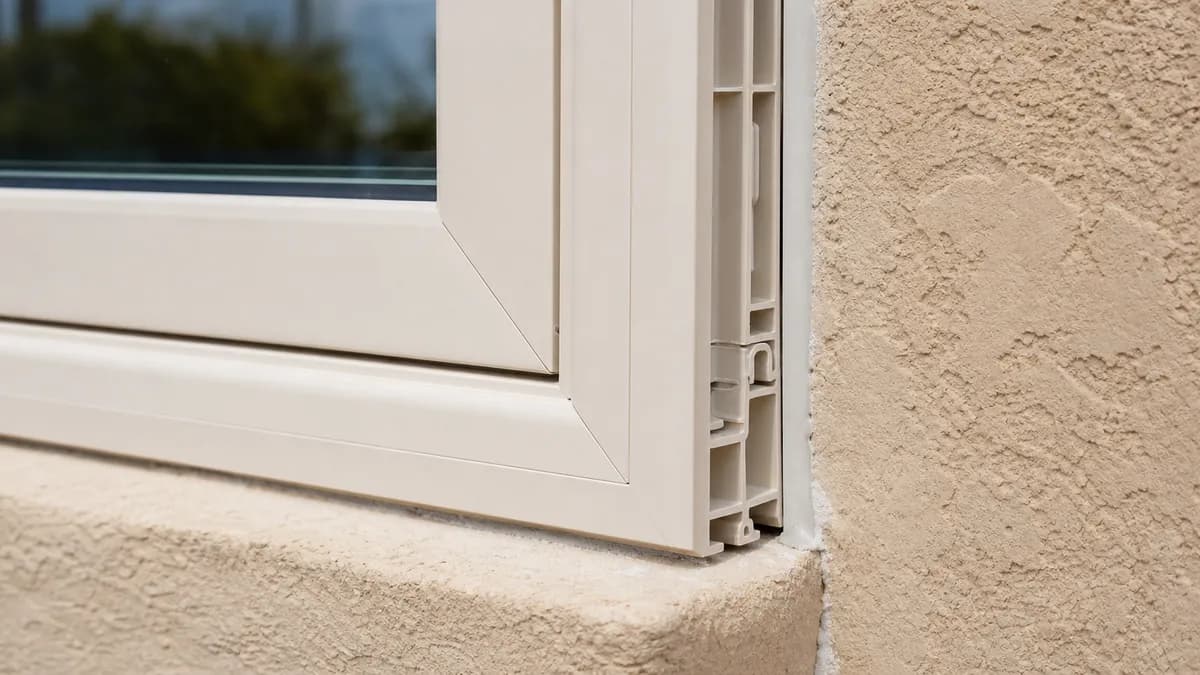
A retrofit window fits inside the existing frame, or in stucco homes, mounts to the old frame with a flange that covers the gap, so the stucco stays intact. Labor runs about $100 to $300 per window (HomeAdvisor). It is faster and cheaper, but you lose a little glass area and the old frame's condition carries over.
Full-frame replacement
Full-frame removes the old window down to the rough opening, so the installer can inspect for rot, re-flash and re-seal. Labor runs about $150 to $800 per window (HomeAdvisor) and may include stucco and trim patching. It is the right call for water damage, sagging frames, or a change of size or style.
The Replacement Process, Permits and Timeline
- Measure and quote. The installer measures every opening, checks frames for damage and gives a written quote naming the product, glass package and install method.
- Order. Replacement windows are made to the measured size, so there is a manufacturing wait before install day. The installer gives you the schedule.
- Permit. City of Reno handles window replacement as an EZ permit with a U-0.30 minimum and NFRC labels left on for inspection. Unincorporated Washoe County exempts same-size, same-opening replacement. Sparks, Carson City and Douglas County each have their own rules; the installer should confirm or pull the permit.
- Install. Old units come out, new ones go in, and the installer seals, insulates and trims each opening. In homes built before 1978, EPA's lead-safe (RRP) rules always apply to window replacement.
- Inspect and register. Where a permit was pulled, the inspection closes it out. Register the manufacturer's warranty in your name.